Aug 12 2023

Certainly! Here are 16 kitchen cabinet design ideas described in paragraphs:
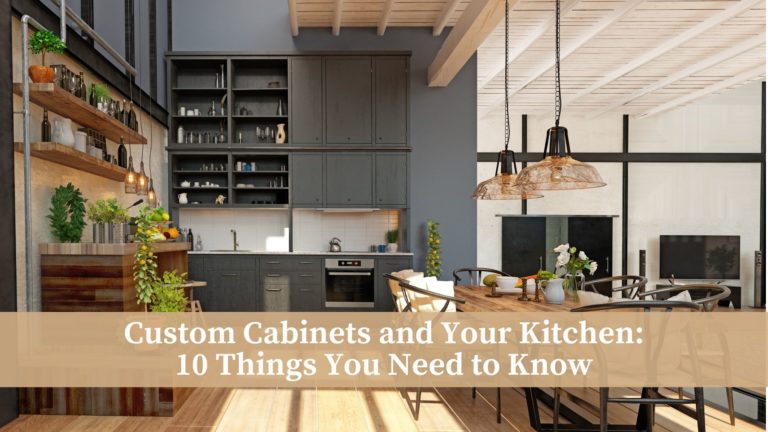
Open Shelving Elegance: Embrace the minimalist look by opting for open shelving. This design allows you to showcase your stylish dishware and adds an airy feel to the kitchen. Mix in some plants or decorative items to personalize the space.
Classic White Cabinetry: Timeless and versatile, white cabinets brighten up any kitchen. Pair them with contrasting countertops or bold backsplashes for a modern touch or keep it traditional with neutral tones for a sophisticated appeal.
Two-Tone Charm: Combine two complementary colors or finishes for your upper and lower cabinets. For instance, navy blue lowers with white uppers or natural wood with matte black create a striking visual contrast.
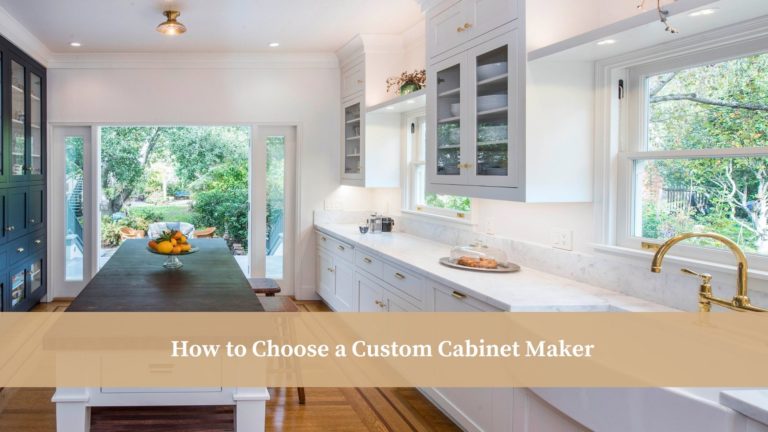
Glass-Front Cabinets: Introduce an elegant touch by incorporating glass-front cabinets. Display your favorite dinnerware or glassware behind the glass doors for a touch of sophistication and to visually expand the space.
Reclaimed Wood Accents: Infuse warmth and character into your kitchen with cabinets featuring reclaimed wood accents. Whether it's cabinet doors or floating shelves, the natural texture adds a rustic yet contemporary vibe.
Matte Finishes: Opt for matte-finished cabinets for a sleek and sophisticated look. Matte surfaces are fingerprint-resistant and offer a modern aesthetic that complements various kitchen styles.
Hidden Handles: Embrace a streamlined appearance with handle-less cabinets. Tucked discreetly beneath the cabinet doors, these integrated handles create a seamless and minimalist look.
Mix of Materials: Experiment with mixing different materials for your cabinet design. Combine wood, metal, glass, and even concrete to create a unique and eclectic style that reflects your personality.
Vertical Cabinets: Consider tall, vertical cabinets that utilize height efficiently. These cabinets provide ample storage space for items like baking sheets, trays, and even small appliances, maximizing functionality.
Inset Cabinets: Achieve a timeless and classic look with inset cabinets where the cabinet doors are set within the frame. This style exudes craftsmanship and attention to detail.
High Gloss Glamour: For a modern and luxurious feel, opt for high-gloss cabinets. Their reflective surface adds depth to the kitchen, creating a sleek and upscale atmosphere.
Cabinet Lighting: Install lighting within or beneath cabinets to illuminate the countertops. LED strips or puck lights not only enhance visibility but also add a stylish ambiance to the kitchen.
Cabinet Hardware Statement: Make a statement with unique and eye-catching cabinet hardware. Choose from a variety of styles, such as brass handles, vintage knobs, or modern pulls, to elevate the overall design.
Floating Shelves: Incorporate floating shelves alongside cabinets for a blend of open and closed storage. These shelves offer a place to display decorative items while maintaining functionality.
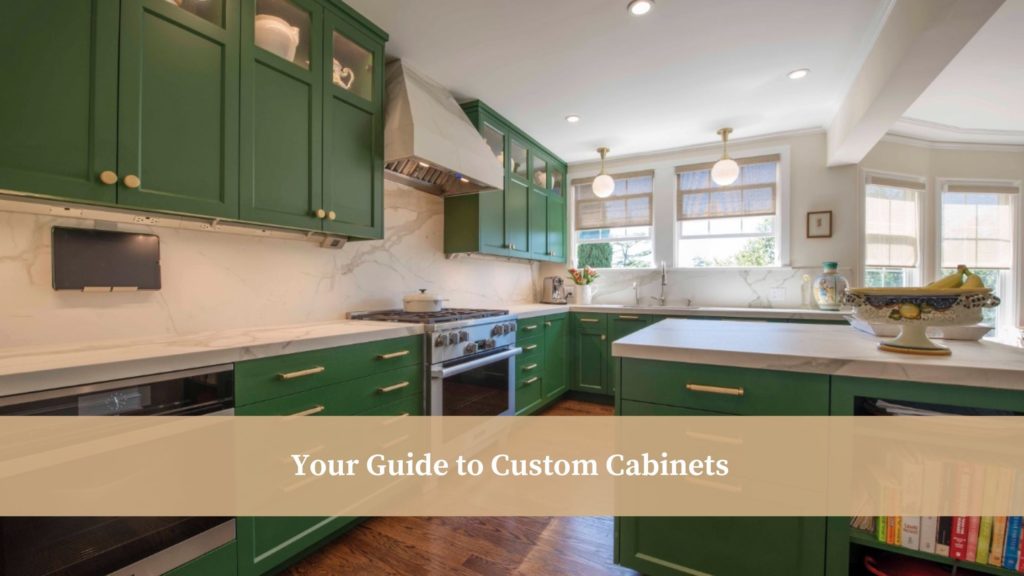
Cabinet Color Pop: Add a bold splash of color to your kitchen by painting the cabinets in a vibrant hue. Consider jewel tones like emerald green or deep blue to make a striking statement.
Customized Storage Solutions: Invest in custom cabinets with built-in organizers and storage solutions tailored to your specific needs. Pull-out pantry shelves, drawer dividers, and corner carousels optimize space and functionality.
Whether you’re upgrading your existing home or choosing kitchen cabinets for a new home, having the right kitchen cabinets has a bigger impact on the kitchen than most people realize.
Yes, your kitchen’s cabinets’ primary function is storage. However, the size, design, and functionality will be the difference between a kitchen that looks great and flows well versus a kitchen that causes headaches and regrets.
When all is said and done, kitchen cabinets are something you want to get right. If the ones you have now aren’t working, a custom cabinet maker can help.
There are a lot of benefits that come with choosing custom cabinets. We’ll cover these perks in this article. Some of the big ones include attention to detail in the design phase and seamless millwork. The flexibility to fit your kitchen space layout though is perhaps the biggest benefit. When you choose stock cabinets, you’re often limited to standard sizes that don’t fit and awkward-looking fillers to cover empty, wasted space.
Your custom cabinet maker will use superior materials, hardware, and construction methods that result in cabinets built to last generations when properly cared for. Your initial costs are more, but when you consider the wear and tear cabinets take, the durability of custom-built makes them an easy choice when compared to stock cabinets.
In this article, we’re going to zero in on custom kitchen cabinets and the ten most important factors to keep in mind in terms of features and benefits.
The devil is in the details. Most people have heard this expression, but do you know what it means? It means that mistakes are usually made in the small details of a project. This couldn’t be more true for cabinet design. The design phase is complex and requires the ability to see the big picture and then make a plan based on precision measurements that must be brought to life.
An expert custom cabinet maker takes accurate onsite measurements and uses state-of-the-art software and laser-guided machinery to make precision cuts. Skilled craftspeople assemble the perfectly cut pieces by hand to ensure seamless construction under the highest quality control standards possible. The intimate process ensures that no details are ignored and the end product lives up to its promise.
When you’re doing research about custom cabinets you’ll often run into the word “millwork.” It’s useful to know what this term means and why you keep seeing it. Millwork specifically refers to custom-made wooden products produced in a mill. Some cabinet makers refer to their mill as a woodshop or facility, and the best cabinet makers have their own in-house mill. Millwork is custom-made according to the customer’s specifications and takes the space of the room into account.
For example, your kitchen cabinets should be built according to the size of your kitchen space to get the best use out of them. You have the freedom to choose exactly how they will fit into your space and custom cabinet millwork makes that vision a reality.
Custom cabinetry gives you the ability to have complete flexibility in your project designs. Special sizing constraints, rare wood types or finishes, and complicated design elements are not an issue when you work with a custom cabinet maker that has its own facility.
There’s no need to limit your design to the standard stock, factory-produced cabinets. A lot of kitchens end up having awkward-looking gaps where appliances don’t fit with the cabinets. Sometimes space is just covered up for aesthetics and wasted. Custom cabinets ensure everything in your kitchen fits together perfectly and allows you to use every last bit of space for your storage needs.
Custom cabinets give you the widest selection of quality material choices. High-density fiberboard (HDF) is the strongest cabinet material you can use. HDF is an engineered wood made from hardwood and softwoods. Medium-density fiberboard (MDF) is similar to HDF but is engineered with less resin, resulting in a slightly weaker material when compared to HDF. Plywood consists of thin layers of wood that are veneer glued together. The wood grain of each layer runs at a 90-degree angle to the grain of the layers surrounding it. Plywood is a reliable and strong building material.
There are two types of cabinet frames: face framed and frameless designs. The face framed design is what has been popular in the past and offers a traditional look. The frameless or box design is a newer, simpler option that has become very popular.
Stock, semi-custom, and custom cabinet designs are available in both framed and frameless construction. Both types of frames can share similarities in materials but differ in construction.
With a face-framed design, a 1.5-2 inch border, or frame, hides the edge of the cabinet box. This type of design offers the cabinet strength and sturdiness due to the cabinet being attached at the frame’s side. Doors can be mounted to the inside of the frame giving a flush look or to the front of the frame leaving an overlay. Very few cabinet frames are made from solid wood.
The frameless box, also known as the euro, has no face frame. The doors attach directly to the sides of the cabinet box and cover the entire frontal space and box, providing a full overlay. This design gives the benefit of full access to the cabinet interior and therefore offers the maximum use of space. The cabinet drawers are slightly larger with this design than the face-framed construction method.
When you think of a cabinet maker you might not think of technology. The truth is the best custom cabinet makers rely on state of the art machines and software to ensure precision cuts and designs. The final touches and construction are done by hand, but prior to that technology plays a big role.
Software programs allow cabinet makers to view the room in a 3D layout and rotate the room to gain a better perspective to ensure effective construction. These programs even let you see the fine details of the millwork such as detailed crown molding and other custom hardware.
The process of getting your custom kitchen cabinets starts with finding the right cabinet maker. They’ll work with you every step of the way, starting with choosing the right design for your space and function desires. After determining a space designed the next step is choosing the type of materials, finish, and hardware. The great thing about custom cabinets is all the customized accessories you can add.
Your cabinet maker will take onsite measurements to ensure all the custom millwork is to spec and the installation goes smoothly. Once built, your cabinet maker will install your custom cabinets, ensuring a seamless fit and integration.
You can probably guess why custom costs more. Higher quality materials in any product will cost more, but they also last longer. With custom cabinets, you’re paying for high materials, labor, and expertise. Perfection takes time. The cost of the technology and skilled craftspeople that make custom cabinets is higher than off-the-shelf stock cabinets. Everyone has different goals and different sized budgets. If you can afford to invest in custom cabinets, they pay off in the long term with their longevity, aesthetic value, and joy they provide when using your kitchen.
Installation methods vary from installer to installer, but there are some things that should be consistent. Walls should be straight and primed, floors flat and everything should be square. Before installation cabinet doors and drawers are removed and appliances to be installed should be on-site, in case any adjustments are necessary.
You might have a lot of options when it comes to choosing a custom cabinet maker depending on where you live. The important thing is understanding what you’re getting before you sign a contract. Choosing the perfect design for your dream kitchen is a lot of fun. Seeing your design come to life after the project is complete feels amazing.
Segale Brothers is a Bay Area custom cabinet shop that’s been helping homeowners and builders with their cabinet design, build, and installation since 1976.
Choosing a custom cabinet maker in India involves several key considerations to ensure you find the right professional for your needs. Here's a guide on how to choose a custom cabinet maker:
Research and Referrals: Start by researching cabinet makers in your area. Seek recommendations from friends, family, or acquaintances who have had custom cabinets made. Online reviews and testimonials can also provide insights into a maker's reputation and work quality.
Portfolio and Experience: Review the cabinet maker's portfolio or gallery of past projects. Look for diversity in styles, materials used, and craftsmanship. Assess their experience in creating custom cabinets, especially if you have specific design requirements.
Quality of Craftsmanship: Pay attention to the quality of craftsmanship in their previous work. Look for precision in joinery, smooth finishes, and attention to detail in the design. Visiting their workshop or showroom, if possible, can give you a firsthand look at their workmanship.
Materials and Techniques: Inquire about the materials the cabinet maker uses. They should offer a range of options and be knowledgeable about the different wood types, finishes, and hardware available. Ask about their construction techniques and whether they use sustainable or eco-friendly materials if that's a priority for you.
Customization and Design Skills: A good cabinet maker should be able to understand and interpret your design preferences. They should offer guidance and suggestions while accommodating your specific requirements. Ensure they are willing to customize designs to suit your space and needs.
Communication and Collaboration: Effective communication is crucial throughout the project. Choose a cabinet maker who listens to your ideas, provides clear explanations, and communicates openly about timelines, costs, and any potential challenges.
Timeline and Delivery: Discuss the project timeline and ensure it aligns with your schedule. Understand how long the process will take, from design discussions to completion, and inquire about their ability to meet deadlines.
Cost and Quotations: Request detailed quotations for the project, including material costs, labor, installation, and any additional expenses. Ensure there are no hidden costs and that the pricing aligns with the quality of work promised.
Insurance and Warranty: Check if the cabinet maker has insurance coverage for their work. Inquire about warranties or guarantees provided for their products. A reputable maker often stands behind their workmanship and offers assurances for quality.
Client References and Reviews: Ask for references from past clients and follow up with them to understand their experiences. Their feedback can offer valuable insights into the cabinet maker's professionalism, reliability, and the overall satisfaction of their clients.
Legal and Contractual Aspects: Before starting the project, ensure there is a written contract detailing the scope of work, payment schedules, timelines, and any other relevant terms and conditions. Review this contract carefully before signing.
By considering these factors and conducting thorough research, you can find a skilled and reputable custom cabinet maker in India who can bring your vision to life while meeting your expectations in terms of quality, design, and functionality.
The right kitchen cabinets can make or break a kitchen’s style and functionality. Cabinets are the backbone of a kitchen. The kitchen should be a place of inspiration and comfort, which means everything should be in the proper place to create a clutter-free and convenient space.
The secret to achieving a well-laid-out and functional kitchen is selecting the right kitchen cabinets.
Kitchen cabinets can be one of the most significant line items in a new build or remodeling project. Once you start researching, you can quickly get lost in all the details involved in choosing the perfect kitchen cabinets.
There are a near-infinite amount of styles, designs, and materials to choose from. The industry jargon can be hard to decipher, making it difficult to understand what you’re paying for. Once you start asking for quotes, you might notice a big difference in pricing from different cabinet makers.
The best thing you can do to move forward with confidence is to get familiar with the basic concepts. The more you know, the better prepared you’ll be to choose kitchen cabinets that you’ll love for years or even decades.
In this article, we’ll cover everything you need to know about kitchen cabinets, from grades, components, materials, and more.
The first thing to know about cabinetry is the different types of kitchen cabinets available. It’s great to have choices, but it can get overwhelming without a basic understanding of the types of cabinets and their function.
There are three basic types of cabinetry: stock, semi-custom, and custom cabinets. Each type provides different advantages depending on our needs and budget. Stock cabinets are an entry-level price point with limited options. Semi-custom offers more styles, finishes, and features than stock.
Custom cabinets offer the widest range of wood types, finishing options, construction platforms, and modifications. Custom cabinets are designed and hand-made by craftspeople that can meet any need, whether it means working from an existing cabinet design or creating new custom pieces to ensure you get the exact cabinets you imagined.
Wall cabinets, sometimes called upper cabinets, refer to the cabinets hung on a wall, as opposed to the floor based cabinets. Wall-mounted cabinets are the workhorses of cabinetry, providing much-needed storage space for items that need to be easily accessed while standing or moving around the kitchen.
Base cabinets, sometimes called lower cabinets, are strong and sturdy. They provide a base for heavy countertops and can create the perfect kitchen island or window seating area. They also act as a bulk storage space for pans, cookware, and cleaning products. They can be designed with pull-out racks or roll trays for easy access to items and include features like recycling bins and wastebaskets.
Sometimes called pantry cabinets or full height cabinets, these cabinets work great for pantry and utility storage. They can accommodate large or unwieldy items, from bulk food supplies, mops, and brooms to jackets and boots.
Just like the name suggests, corner cabinets are cabinets found in the corner of your kitchen. Corner cabinets can be some of the most creative and space-saving cabinets in your kitchen. You can incorporate a swing-out base, lazy susan swing, and pull-out, diagonal cabinet, or even curved cabinets to eliminate corners completely.
Aside from a clean and unique look, mounting a cabinet on the wall provides more floor space which gives the appearance of a bigger, more spacious room while streamlining the cabinet look.
Framed cabinets have an overlaying frame or structure attached to the front. The frame can extend up to 2 inches over the cabinet opening, adding strength and sturdiness.
Frameless cabinets, or European style, lack a face frame. They are the most common type of cabinet in the U.S. People who choose frameless cabinets prefer the seamless line and sleek look that directly attached door and drawer glides make possible with this design.
In its basic form, a cabinet is a simple wood box. However, there are a number of cabinet components that make each cabinet unique. Cabinets consist of doors, face frames, drawer boxes, drawer glides, hinges, and more. The way a cabinet is assembled will affect the quality.
These are the basic components of a cabinet:
Doors and drawer fronts are the most prominent cabinet parts. Choosing a cabinet door style and color is one of the most exciting parts of the design process.
The drawer box should have solid wood or plywood sides, and a back at least ½” thick. The bottom should be fully captured, meaning it is set in grooves on all four sides. Build a drawbox to last to ensure it can survive heavy use.
Typical silverware drawers can contain up to 20lbs of flatware. Drawer boxes with glides that can hold at least 75 lbs are ideal. Soft-close, steel, undermount glides are best, although side mount glides can provide more flexibility for custom depth sizes.
The quality of cabinet hinges varies greatly. It’s important to choose cabinets with high-quality hinges so they can survive opening and closing (thousands of times).
The materials you use in cabinet construction will determine the look of the cabinets. Custom cabinets give you the most material choices.
When choosing your cabinet door design, you can get nearly anything you want. You can choose from popular designs like raised panels or get a completely custom design.
Raised panel cabinet doors have a center portion of the door slightly raised higher than the surrounding wood. Raised panels come in a variety of designs and styles. These doors can have arches or square edges.
Recessed panel slab doors have the opposite feature of a raised panel cabinet door. The center panel is slightly lower than the surrounding door frame. The panels must be thinner than the rest of the door.
Slab / Flat doors are fully flat and can have a solid color or wood veneer. Wood veneer doors can be “book-matched” to allow the whole grain to be seen in full sections rather than individual pieces.
Glass-front cabinet doors are another option if you don’t want to hide the cabinet contents. Dividing bars called mullions separate the glass panes in the door. For many years, mullioned glass cabinet doors were the most popular choice among homeowners.
Custom cabinet doors can be custom designed. Choose the materials, color, finish, functionality, and accessories. Custom cabinet doors will work in any kitchen no matter how unique or challenging the space.
Cabinet door overlay is the amount of frame visible on the cabinet. There are three types of overlays to choose from: partial, full, and inset.
Full overlays are the most standard and traditional overlay option. They provide cabinets with a custom look without the cost and they cover most of the cabinets’ face frame. Full overlays do require additional cabinet hardware because there is only ¼” of space between the doors and drawers, making them more difficult to open without the hardware.
With a partial overlay the cabinet door sits on the cabinet face leaving 1 to 1 ¼” of the face frame exposed.
Inset cabinet doors are set into the cabinet frame and fit flush with the face of the cabinet when closed. The hinges can either be hidden or exposed. This type of cabinet provides less storage space, but for some people it’s worth it because they love the look.
The color and finish of your cabinets is just as important as the construction. When choosing a color, think about your overall kitchen color scheme, personal preferences, and amount of natural light the kitchen receives.
Cabinet accessories can breathe new life into your current cabinets or take new custom cabinets to the next level of beauty and function.